
Innovating for your safety
PIGEON CONTROL & PIGEON NEST REMOVAL SERVICES IN METRO VANCOUVER, BC
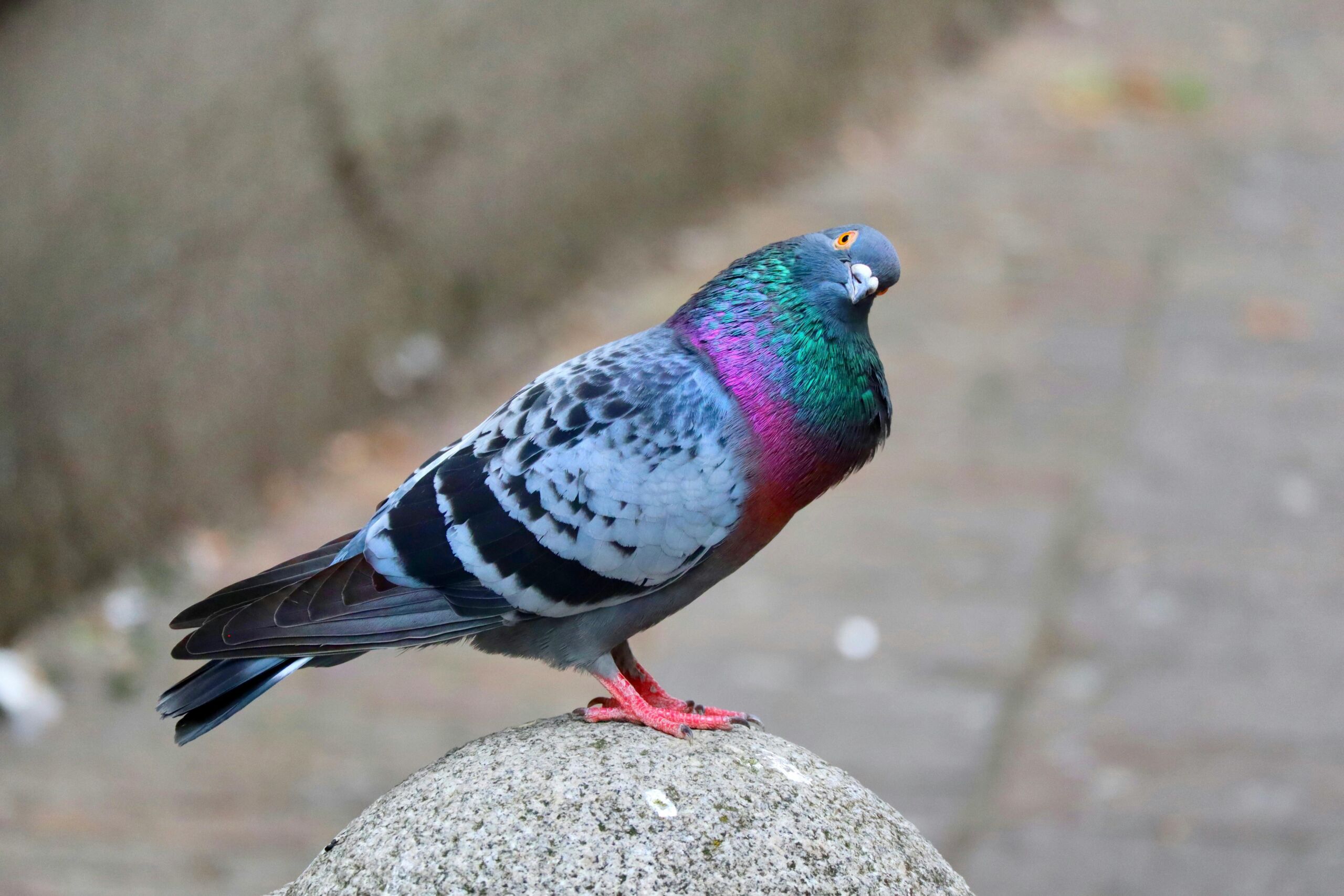
Pigeons are one of the most common urban bird pests affecting residential, commercial, and industrial properties across Metro Vancouver. They frequently roost and nest on rooftops, balconies, ledges, signs, beams, and warehouse structures, creating ongoing sanitation, health, and property-damage concerns.
Pigeon droppings, feathers, and nesting materials can expose humans to specific illnesses, particularly when droppings dry out and become airborne or when contaminated surfaces are touched. The most commonly documented illnesses associated with pigeons include:
- Histoplasmosis – a fungal infection caused by inhaling spores that can grow in accumulated bird droppings, especially in enclosed or poorly ventilated areas
- Cryptococcosis – a fungal infection linked to dried pigeon droppings; may affect the lungs or central nervous system in vulnerable individuals
- Psittacosis (Ornithosis) – a bacterial infection that can be transmitted through inhalation of dust from dried droppings or nesting material
- Salmonellosis – a bacterial illness that can occur through contact with contaminated surfaces or droppings
- Ectoparasite exposure – pigeon nests may contain mites or ticks that can migrate indoors and cause skin irritation or allergic reactions.
Pigeons are highly adaptable and return to the same nesting and roosting locations year after year if not properly excluded. Their droppings are acidic and can damage building surfaces, block drainage systems, create slip hazards, and contaminate walkways and work areas. Nesting materials can also block vents and attract secondary pests such as mites, beetles, and flies.
-
Comprehensive Roofline & Structure inspection
-
Safe, Humane Nest Removal
-
Sanitation & Clean-Up of Droppings
What You Can Expect From Our Bird Nest Service
Bird Nest Innovation & Customer Trust
Common Factors We Find in Bird Nest Cases

Open Roof Gaps or Damaged Soffits
Unscreened Dryer Vents
Warm air attracts birds looking for nesting spots.
Balconies & Ledges
Flat surfaces and overhangs provide ideal nesting conditions.
Dropping Buildup Creating Safety Risks
Bird waste can create slip hazards and attract insects.
Need help with pests?
YOU MIGHT FIND YOUR ANSWER

What are the signs of a bird nest problem?
Common signs include:
- Twigs, feathers, and debris falling from soffits or vents
- Noises from walls, rooflines, or vents
- Accumulation of bird droppings
- Birds repeatedly entering the same opening
- Insects like mites or beetles appearing near nesting sites
How do you remove bird nests?
We follow a safe, humane process:
- Inspection to confirm nest location and activity status
• Removal of inactive nests from vents, gutters, soffits, and roof gaps
• Sanitation and droppings cleanup to reduce bacteria and mites
• Exclusion and sealing of openings or installing screens
• Deterrent recommendations for balconies and ledges
This ensures safe removal and long-term prevention.
What health concerns do bird nests cause?
Bird nests may lead to:
- Bacteria and pathogens from droppings
- Mites and parasites that spread indoors
- Respiratory irritation from dried droppings
- Foul odors and sanitation issues
- Insect infestations (beetles, fleas, mites) inside nesting material
Bird droppings can also corrode building surfaces and cause damage over time.
Why do birds build nests near homes?
Birds seek out:
- Protected areas like vents, soffits, and rafters
• Warm air from dryer or attic vents
• Flat ledges and balconies
• Roof gaps or openings
• Areas with food sources nearby
Older homes in New Westminster, Richmond, and Vancouver often have structural gaps that attract nesting
How can I prevent birds from coming back?
We recommend:
- Installing vent screens
- Sealing roofline gaps and openings
- Keeping balconies clean and free of nesting materials
- Trimming tree branches near the home
- Preventing access to food sources
- Scheduling regular roofline inspections
Exclusion is the most important long-term solution.
Do bird nests damage property?
Yes. Bird nests can:
- Block ventilation and dryer airflow
- Damage gutters and soffits
- Cause moisture buildup
- Wear down roofing materials
- Corrode surfaces with droppings
- Create hazards on sidewalks or balconies