
Innovating for your safety
PAVEMENT ANT CONTROL SERVICES IN METRO VANCOUVER, BC
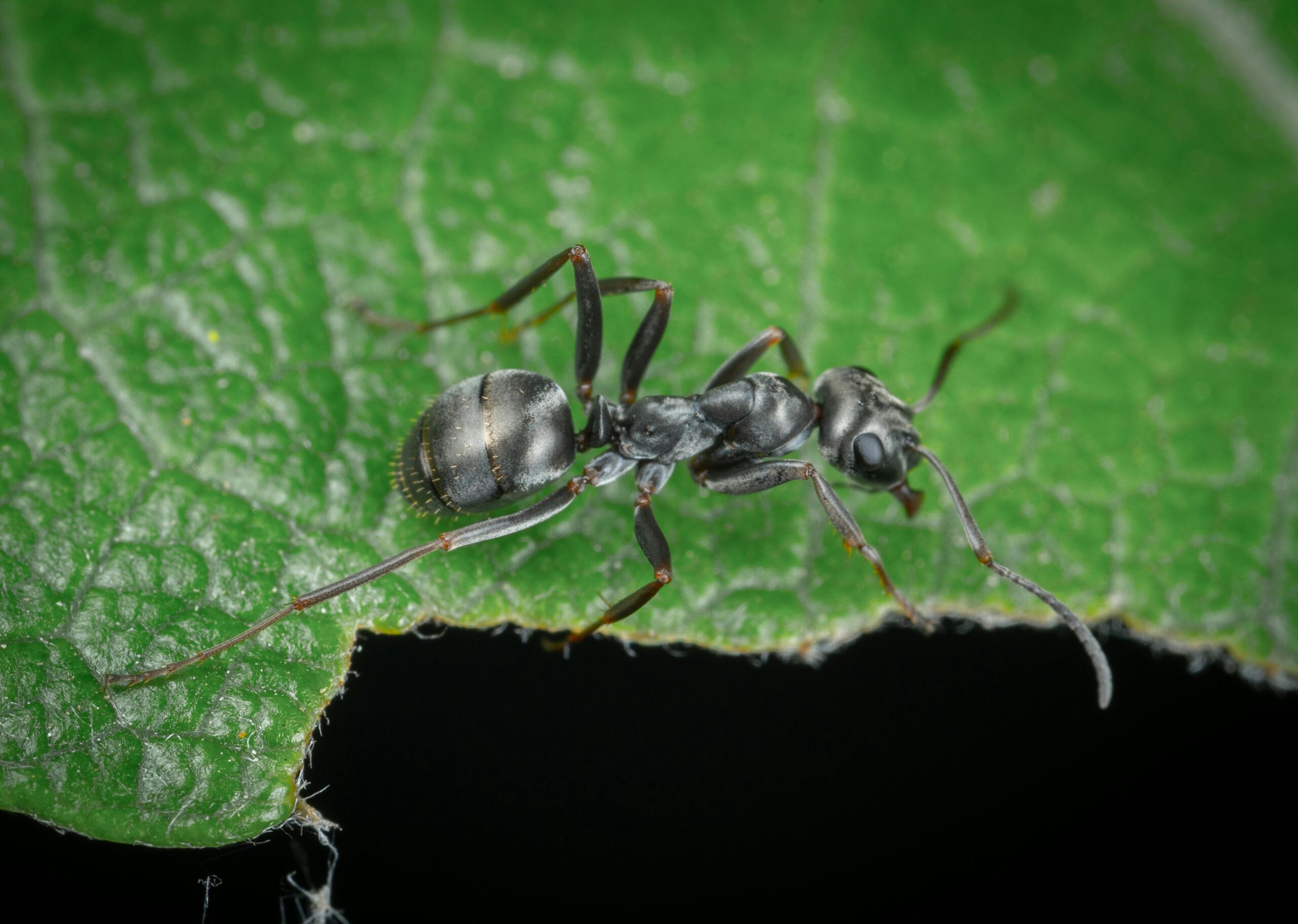
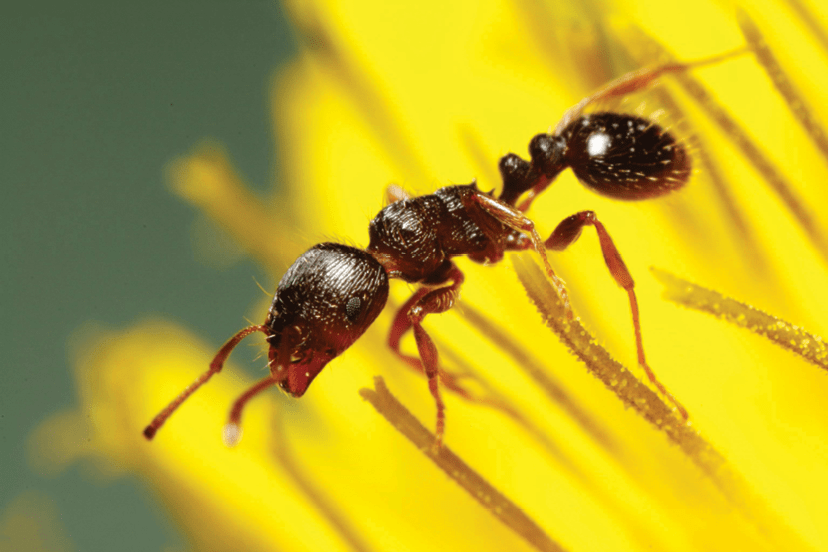
Pavement ants are one of the most common nuisance ants found throughout Metro Vancouver area and across British Columbia. These ants typically build nests under sidewalks, driveways, patios, foundations, and concrete slabs, entering homes through tiny cracks in search of food and moisture.
Although pavement ants do not cause structural damage like carpenter ants, they can quickly become a serious indoor infestation. Once inside, they contaminate food surfaces, spread through kitchens and bathrooms, and form large colonies that are difficult to eliminate without professional treatment.
At MetroVan Pest Control, we provide effective pavement ant inspection, treatment, and long-term prevention services. Our approach combines targeted gel, powder, and liquid treatments with exclusion, sanitation guidance, and exterior correction. We focus on eliminating active colonies while preventing ants from re-entering your home.
- Comprehensive Ant Inspection
- Target Treatment, Exclusion & Entry-Point Sealing
- Exterior Perimeter & Foundation Control
- Sanitation & Moisture Guidance
-
Detailed Pavement Ant Inspection
-
Targeted Treatment, Exclusion & Structural Prevention
-
Sanitation & Moisture Correction Guidance
What You Can Expect From Our Pavement Ant Service
Pavement Ant Innovation & Customer Trust
Protecting your spaces daily
Common Factors We Find in Pavement Ant Cases
Food & Grease Residue
Cockroaches are strongly attracted to crumbs, grease, and food spills.
Moisture Around Sinks & Appliances
Leaks, damp cabinets, and warm humid environments support roach survival.
Unsealed Cracks & Plumbing Gaps
Roaches hide behind refrigerators, dishwashers, stoves, and under sinks.
Movement Between Units
Roaches travel through walls and ventilation systems in condos & apartments.
Need help with pests?
YOU MIGHT FIND YOUR ANSWER

What are the signs of pavement ants?
Common signs include:
- Lines of small dark ants along baseboards or countertops
- Ants entering through cracks near floors or walls
- Ant activity around sinks, garbage, or pet food
- Small piles of soil near concrete or foundation edges
- Increased ant activity during warm months
How do you eliminate pavement ants?
We use an integrated approach:
- Gel baiting along trails and high-activity zones.
- Powder/dust treatments in cracks, wall voids, and nesting areas.
- Liquid perimeter treatments around foundations and concrete edges.
- Exterior nest targeting beneath sidewalks and patios.
- Exclusion and sealing of entry points.
- Sanitation guidance to remove food and moisture attractants.
This ensures both active ants and colonies are addressed.
What health concerns do pavement ants cause?
Pavement ants do not spread major diseases, but they can:
- Contaminate food and preparation surfaces
- Carry bacteria from outdoors into the home
- Trigger mild allergies in sensitive individuals
- Create sanitation concerns in kitchens and bathrooms
Why do pavement ants invade homes?
They enter homes seeking:
• Food crumbs and grease
• Water and moisture
• Shelter during extreme weather
• Easy access through cracks and gaps
Homes in New Westminster and older areas of Metro Vancouver often see higher activity due to aging concrete and foundations.
How can I prevent pavement ants from coming back?
We recommend:
- Sealing cracks in foundations and concrete
- Keeping kitchens clean and food sealed
- Fixing leaks and moisture issues
- Cleaning up spills immediately
- Trimming vegetation near the foundation
- Scheduling seasonal perimeter treatments
Prevention is key for long-term ant control.
Do pavement ants cause property damage?
They do not damage structures, but they may:
- Undermine soil under concrete slabs
- Create nuisance infestations indoors
- Require repeated treatment if entry points remain open
Do pavement ants require multiple visits?
Some infestations do, especially when colonies are large or located under concrete. Follow-up ensures complete elimination.